Don’t Confuse AI Search with Legal Advice: Why AI Can’t Replace an Experienced Insurance Attorney?
In today’s digital world, artificial intelligence (AI) tools are everywhere. Many homeowners, business owners, and policyholders turn to AI chatbots for quick answers about insurance coverage, insurance claims, or legal questions about insurance law. While AI can provide helpful general information in limited circumstances, it is not a substitute for legal advice from an experienced insurance attorney. Mistaking AI guidance for professional counsel can lead to costly mistakes when filing insurance claims or dealing with insurers.

This article explains why AI cannot provide legal advice, highlights common pitfalls policyholders face, and offers practical steps to protect your insurance rights.
Why AI Cannot Give Legal Advice?
AI tools, including ChatGPT, Bing AI, Google Gemini, Microsoft Copilot, Claude (Anthropic), Perplexity AI, and Grok (xAI), can generate responses based on patterns in data, but they cannot:
Analyze your personal or commercial insurance policy in detail
Interpret complex legal language specific to your jurisdiction
Provide advice tailored to your unique situation
Represent you in disputes with insurance companies
Represent you in court when suing an insurance company
Only an experienced insurance attorney can review your policy, evaluate coverage, and guide you on your legal options. Using AI as a sole source of guidance can create misunderstandings or lead to denied claims.
Common AI Misunderstandings About Insurance Coverage
Many policyholders assume AI can fully explain insurance coverage, but it often provides only general information. AI cannot review your specific policy, identify exclusions, or confirm whether a particular loss is covered.

Relying solely on AI can lead to mistakes, such as misunderstanding coverage or missing critical claim requirements. This often causes confusion, such as:
Coverage assumptions – AI may generalize insurance terms, but cannot confirm if your policy includes specific protections.
Policy exclusions – AI might not detect subtle exclusions in your policy, which insurers can use to limit or deny claims.
Claim procedures – Filing a claim incorrectly can reduce your reimbursement or void coverage. AI can suggest steps, but these may not match your insurer’s requirements.
Example: A homeowner asks AI if flood damage is covered. AI responds based on general knowledge: “Some homeowners insurance includes flood coverage.” In reality, most standard policies exclude flood damage, and only a flood policy or endorsement provides coverage.
How Insurance Coverage Appears in Your Policy?
Insurance coverage is typically structured as:
Declarations Page – Summarizes your coverages, limits, and deductibles
Insuring Agreement – Explains what your insurer promises to cover
Exclusions – Lists perils not covered
Conditions – Details requirements to maintain coverage (e.g., notice deadlines, documentations, submitting to an examination under oath, etc.)
AI can explain these sections generally, but its explanation should not be construed as legal advice. AI cannot tell you whether your specific incident is covered or whether you have complied with the policy conditions.
How Insurers Often Limit or Deny Coverage?
Insurance companies often deny or reduce claims based on:
Policy exclusions – Damage or events not covered in the policy
Late notice or improper filing – Missing deadlines or submitting incomplete forms
Documentation gaps – Lack of evidence proving loss or damage
Policy misinterpretation – Insurers may argue that your claim falls outside coverage
Relying solely on AI increases the risk of Common AI Misunderstandings about Insurance Coverage, which can lead to denied claims.
Practical Mistakes to Avoid When Using AI for Legal Questions
Here are the most common mistakes policyholders make when relying on AI:
Assuming AI is a licensed attorney – AI cannot represent you or provide legal advice.
Skipping policy review – Blindly following AI guidance without reading your policy can lead to coverage mistakes and claim denials.
Ignoring deadlines – AI might not highlight critical timelines in your claim process.
Overlooking exclusions – AI cannot detect nuanced exclusions that insurers exploit.
Sharing sensitive information – Inputting policy numbers or personal details into AI tools may compromise privacy.
Tip: Do not Use AI except for basic explanations, and always verify coverage details with an experienced insurance attorney.
Steps to Ensure Full Insurance Reimbursement
Even with AI tools at your disposal, taking these steps is crucial:
Read your policy carefully – Focus on declarations, insuring agreements, exclusions, and conditions.
Document all damage or loss – Photos, videos, repair estimates, and receipts are critical.
Notify your insurer promptly – Missing notice deadlines can jeopardize coverage.
Follow insurer instructions – Submit all requested documents accurately and on time.
Consult an experienced insurance attorney – If coverage is limited, denied, or disputed, an experienced attorney can protect your rights.
Example: After a fire damages a commercial property, AI may suggest general steps like contacting your insurer. An experienced insurance attorney, however, can review the policy, negotiate coverage, and maximize your reimbursement, including items that the insurer might overlook.
Frequently Asked Questions (FAQ)
Does insurance cover property damage if AI says it does?
Not necessarily. AI provides general guidance. Only an experienced insurance attorney can confirm if your policy covers your specific damage.
How do I claim coverage correctly?
Notify your insurer immediately
Document your loss with photos and receipts
Complete claim forms accurately
Consult an experienced insurance attorney for complex claims
Insurance company denied my claim—can AI help?
AI can explain general reasons for denial but cannot appeal or negotiate your claim. An attorney can review denial letters, interpret your policy, and represent your interests in court if a lawsuit needs to be filed.
What to do if damage happens after a property loss?
Document your damages immediately
Notify your insurer promptly
Consult an attorney before submitting additional claims to avoid errors that could reduce or delay reimbursement
Can AI replace an attorney for complex insurance issues?
No. AI is a tool for information, not a substitute for professional legal advice or representation.
Why Consulting an Experienced Insurance Attorney Matters?
Insurance policies are complex, and mistakes in filing claims can result in reduced payments or denied claims. An experienced insurance attorney can:
Review your policy line by line
Explain coverage and exclusions clearly
Advise on claim strategy
Negotiate with insurers to maximize reimbursement
Represent you in disputes or litigation if needed
Even if AI provides general guidance, it cannot replace the personalized expertise of an experienced insurance attorney.
Conclusion
Artificial intelligence can be a helpful tool for learning general insurance concepts, but it cannot provide legal advice, review your policy, or handle disputes. Policyholders who rely solely on AI risk missing critical coverage, violating policy conditions, or having their claims denied.
To protect your rights under an insurance policy, it’s essential to consult an experienced insurance attorney and not rely on AI.
If your insurance company has denied, delayed, or underpaid your insurance claim, contact Law Office of Rabih Hamawi for a case evaluation at (248) 905-1133 or www.hamawilaw.com.
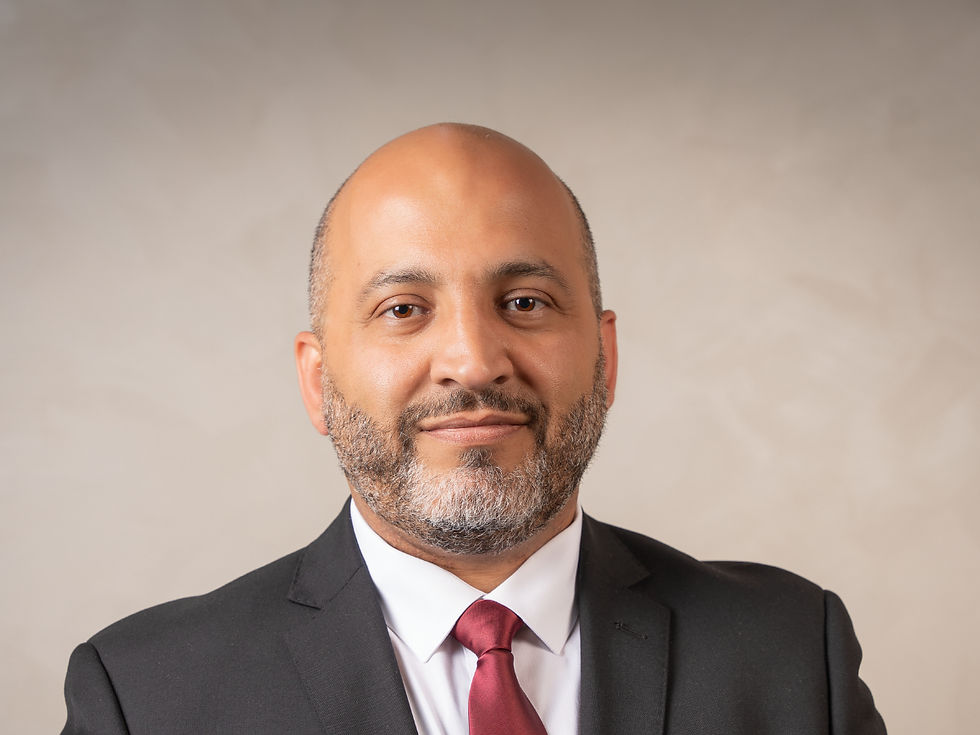
Who is Rabih Hamawi?

Attorney & Counselor
Rabih Hamawi is a principal at the Law Office of Rabih Hamawi, P.C. and focuses his practice on representing policyholders in fire, property damage, and insurance-coverage disputes against insurance companies and in errors-and-omissions cases against insurance agents. He may be reached at (248) 905-1133.