Fire Prevention Week 2026: Safe Charging Habits That Help Prevent Battery Fires
Where do you charge your phone at the end of the day? A bed, sofa, or crowded corner may seem convenient, but charging deserves the same attention as other household fire risks.

In our 2025 Fire Prevention Week article, Law Office of Rabih Hamawi explored lithium-ion battery hazards and related insurance concerns. This year’s message turns that awareness into a practical question: Are the ways we charge our devices helping protect our homes?
Start With the Right Equipment
Use the supplied charger or a manufacturer-approved replacement—not just one that fits. An incompatible charger can damage the battery and increase the risk of overheating or fire.
NFPA recommends choosing devices listed by a nationally recognized testing laboratory, such as UL, ETL, or CSA.
Give Charging Devices a Safer Place
Charge devices on a hard, flat surface—not beds, pillows, or upholstered furniture that can trap heat. NFPA recommends charging e-bikes, scooters, and power tools outside when possible, in suitable conditions and following manufacturer instructions.
Never block doorways, hallways, or escape routes with charging devices. Battery fires can spread rapidly, making clear exits essential.
Keep Smoke Alarms and Escape Plans Ready
Safer charging does not replace other fire precautions. Test smoke alarms at least monthly and replace them 10 years after their manufacturing date. Make sure everyone in the household understands the escape plan and knows the outdoor meeting place. Working alarms and a practiced response remain important even when a household follows careful charging habits.
Document Fire Damage Without Taking Risks
If a fire occurs, personal safety comes first. Once authorities permit safe access, photograph the damage and make a detailed record of affected belongings. Notify the insurer promptly, keep notes of claim communications, and retain receipts for emergency repairs and temporary expenses for the insurer’s review.
Take reasonable steps to prevent additional damage when it is safe, but coordinate permanent repairs with the insurer’s inspection process. Do not handle or retain a potentially hazardous battery simply to preserve evidence; ask fire officials how the device should be managed safely.
Review Your Insurance Before a Fire
The value of Fire Prevention Week extends beyond October. A suitable charger, a safer charging location, attention to warning signs, and clear escape routes are practical parts of everyday preparedness. Pairing those habits with working smoke alarms, organized records, and a careful insurance review helps address both prevention and the challenges that can follow a fire.
The value of Fire Prevention Week extends beyond October. Alongside safe charging habits, working smoke alarms, and clear escape routes, make time to review your insurance policy at least annually. For Michigan homeowners and businessowners, this review can help identify coverage gaps, clarify policy limits and exclusions, and determine whether coverage reflects changes to your home or business—before a fire occurs.
Make Safe Charging a Year-Round Habit
We encourage Michigan homeowners and businessowners to review their policy limits, deductibles, exclusions, and endorsements. Coverage for charging-related fires depends on the policy language and circumstances of the loss.
Homeowners should check whether their policy includes additional living expense coverage, while businessowners should review business interruption coverage. Temporary housing costs and lost business income are not automatically covered; policy conditions and limits apply.
Keep an updated inventory with photos, receipts, and serial numbers, and store insurance documents securely where they remain accessible after a fire.
If you need a Michigan fire insurance attorney for a denied, delayed, or underpaid property insurance claim following a lithium-ion battery fire, contact Law Office of Rabih Hamawi at (248) 905-1133 for a case evaluation, or www.hamawilaw.com!
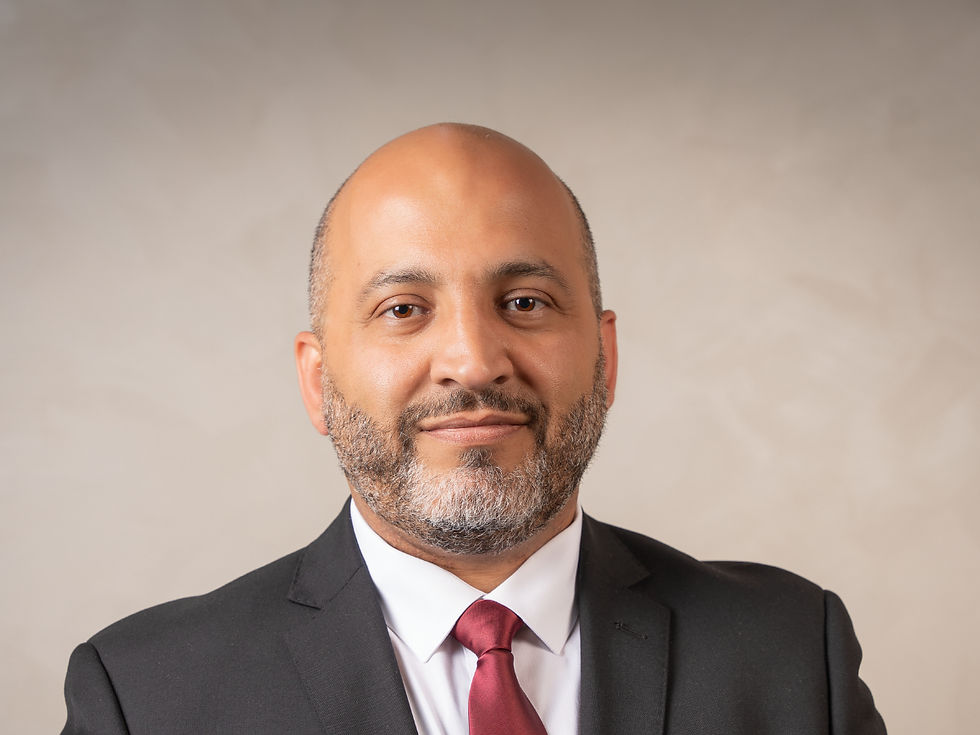
Who is Rabih Hamawi?

Attorney & Counselor
Rabih Hamawi is a principal at the Law Office of Rabih Hamawi, P.C. and focuses his practice on representing policyholders in fire, property damage, and insurance-coverage disputes against insurance companies and in errors-and-omissions cases against insurance agents. He may be reached at (248) 905-1133.