A Recent Post-Appraisal Conversation: What Do Umpires Need During the Insurance Appraisal Process?
Public adjusters and appraisers spend countless hours documenting damages, preparing detailed estimates, and advocating for policyholders throughout the insurance claim process. Yet during Appraisal, even strong claims can lose momentum—not because the damages are unsupported, but because the evidence presented does not fully address what the Umpire needs to make a confident decision.

As an insurance coverage attorney representing policyholders, including homeowners, businessowners, and property owners in fire, property damage, and insurance-coverage disputes against insurance companies, I often work alongside public adjusters and appraisers during the Appraisal process and see this issue repeatedly.
The difference between a persuasive Appraisal file and a vulnerable one often comes down to whether the documentation tells a clear, credible, and complete story—one that answers the Umpire’s real questions before he or she ever have to ask them. Understanding how Umpires evaluate evidence—and what they typically look for—can help public adjusters and appraisers strengthen their files, improve credibility, and better position their insureds for a successful Appraisal outcome.
The Relationship Between Public Adjusters and Umpires
Public adjusters and appraisers play a critical role in the Appraisal process. They are often the person who knows the property best, have documented the damage in detail, and have spent the most time understanding the policyholder’s loss. But the Umpire is not there simply to choose between competing numbers.

Experienced Umpires are not looking to "spilt the baby," rather, they are looking for clarity, consistency, and proof. They want to understand:
What was damaged
How the scope was determined
Why the pricing is reasonable
Whether the evidence supports the amount claimed
The better public adjusters and appraisers understand how Umpires analyze these issues, the more effectively public adjusters and appraisers can prepare their file—and the more persuasive their position becomes.
Why Strong Claims Still Face Challenges During Appraisal?
Even well-documented claims can encounter obstacles during the Appraisal process. Public adjusters and appraisers often prepare detailed estimates supported by photographs, videos, contractor bids, proposals, and repair pricing.
Yet many Appraisals become difficult when the Umpire begins asking deeper questions such as:
When were the photographs taken?
Can you show evidence of the property’s pre-loss condition?
How do you distinguish covered damage from wear and tear or unrelated issues?
Why does the scope differ from the insurer’s estimate or appraiser's report?
What supports replacement instead of repair?
Can the pricing be tied to actual market conditions (labor, material, or the like)?
These questions often determine how persuasive your position will be.
The key is not simply having evidence—it is organizing and presenting that evidence in a way that directly answers the Umpire’s concerns.
A successful Appraisal often depends not only on the strength of the estimate, but on whether the documentation gives the Umpire confidence in the conclusions or numbers submitted.
What Umpires Commonly Look For?
While every Appraisal is different, experienced Umpires tend to focus on the same core types of evidence: clear damage documentation, proof of the property’s pre-loss condition, justification for repair versus replacement, and reliable pricing support. They want to see a well-organized file that connects the claimed damages to visible evidence and supports the estimate with credible documentation—not just numbers. Just as important, they look for consistency across the public adjuster or appraiser's entire presentation, because even small discrepancies can raise questions and weaken credibility.
Where Can Public Adjusters and Appraisers Gain an Advantage?
Public adjusters and appraisers are highly skilled at documenting and valuing property damage, but Appraisal disputes can become more challenging when issues like causation, coverage limitations, or scope disagreements arise. This is often where legal strategy can add significant value. An experienced insurance attorney can help strengthen the presentation of the claim, address insurer objections, and bridge the gap between technical documentation and persuasive advocacy—helping position both the public adjuster and the policyholder for a stronger outcome.
If you need a Michigan fire insurance attorney, a Michigan property damage attorney, or a Michigan insurance coverage attorney for your denied, delayed, or underpaid fire or property insurance claim, contact Law Office of Rabih Hamawi for a case evaluation at (248) 905-1133 or www.hamawilaw.com.
Who is Rabih Hamawi?

Attorney & Counselor
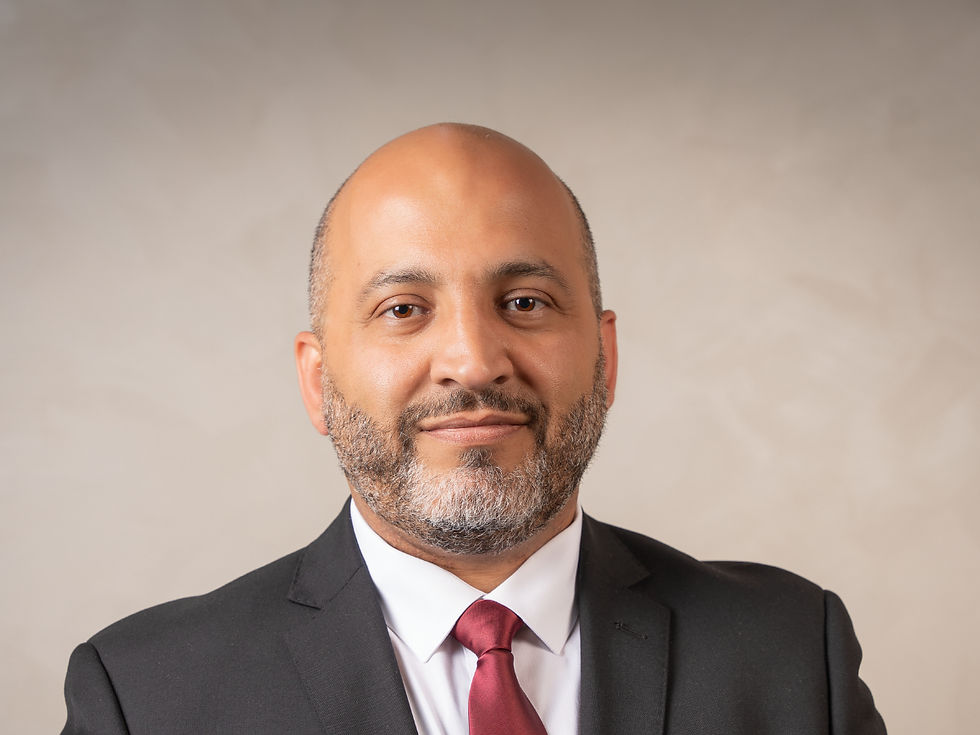
Rabih Hamawi is a principal at the Law Office of Rabih Hamawi, P.C. and focuses his practice on representing policyholders in fire, property damage, and insurance-coverage disputes against insurance companies and in errors-and-omissions cases against insurance agents. He may be reached at (248) 905-1133.