The Law and Your Property: Demystifying Examinations Under Oath
When your home or business suffers direct physical damage—whether from fire, water, or another covered event—you expect your insurance company to evaluate your claim fairly and promptly pay what is owed. But many policyholders are caught off guard when the insurer requests an Examination Under Oath as part of the claim's process.

This article explains what an Examination Under Oath is, how it works, and how to protect your rights while avoiding common pitfalls that can lead to claim denial.
What is an Examination Under Oath (EUO)?
An EUO is a formal proceeding where the insurance company questions you about your claim while you are under oath.
Think of it as similar to a deposition—but it happens during the claim's process, not a lawsuit.
What to Expect:
You are placed under oath (sworn to tell the truth).
The insurer’s attorney asks detailed questions.
A court reporter records everything.
Your answers can be used to approve or deny your claim.
Why do Insurance Companies Request an EUO?
Insurance companies request an EUO as part of their investigation process, particularly when a claim involves complex facts or raises questions that require clarification. The primary goal is to verify the details of the loss, assess the accuracy and consistency of the policyholder’s statements, obtain information about damages sought, and evaluate overall credibility. In many cases, insurers also use the EUO to gather information that could justify limiting or denying coverage under the policy.

An EUO is more likely to be requested in situations involving large or high-value claims, where the financial exposure is significant. It may also be triggered by inconsistencies in prior statements, gaps or missing documentation, or circumstances that the insurer believes warrant closer scrutiny. In some cases, even without clear evidence, insurers may suspect potential fraud and use the EUO to explore that possibility. Claims involving business interruption or loss of income are also commonly subject to EUOs, as they often require detailed financial review and supporting documentation.
What to do if an EUO is Requested After a Property Insurance Claim?
Take these steps immediately:
Do not ignore the request.
Timely submit a Sworn Statement in Proof of Loss.
Ask what documents are required.
Request clarification on topics to be covered.
Prepare thoroughly before attending.
Consider legal guidance early.
What Happens During an EUO?
Understanding the EUO process can help reduce stress and ensure proper preparation. During an EUO, you are placed under oath and questioned by the insurance company’s attorney about your claim, while a court reporter records everything in a transcript.
The questions typically cover the cause of the loss, the specific property that was damaged, your financial situation, and any prior claims history. You may also be asked to provide supporting documents, such as receipts, repair estimates, or photos of the damaged property. Preparing in advance and knowing what to expect can help you answer clearly and consistently, protecting your claim from unnecessary challenges or delays.
Practical Mistakes to Avoid During an EUO
Even small missteps during an Examination Under Oath can put your claim at risk. Common mistakes include:
Guessing answers instead of saying “I don’t know.”
Volunteering extra information not asked by the insurer.
Appearing unprepared or without supporting documents.
Being defensive or argumentative during questioning.
Failing to review prior statements before attending.
Attending an EUO without an experienced insurance attorney by your side.
Avoiding these mistakes helps ensure your testimony is accurate, consistent, and protects your claim from unnecessary challenges.
Why You Need an Attorney for Your Insurance Claim?
An EUO can be complicated, and small mistakes can lead to reduced or denied claims. An experienced insurance attorney helps you understand your policy, prepare documents, and answer questions accurately to protect your rights.
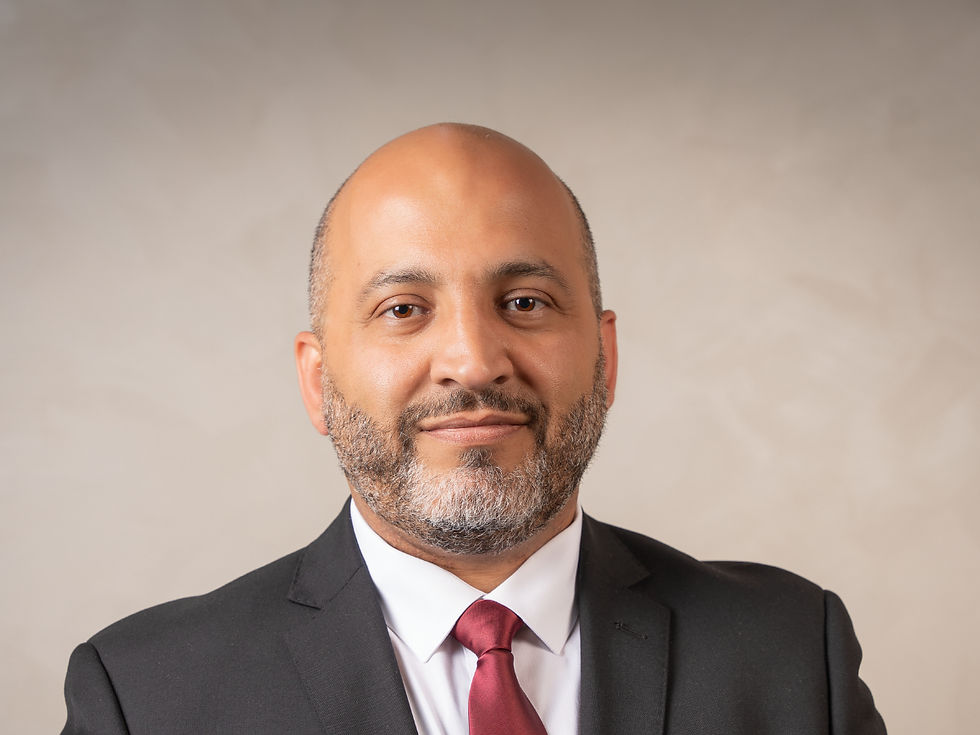
Attorney Rabih Hamawi is an experienced insurance-coverage attorney who has successfully handled hundreds of claims and recovered millions for policyholders. With his guidance, you can approach the EUO process with confidence and maximize your chances of full reimbursement.
If your insurance company has denied, delayed, or underpaid your insurance claim, contact Law Office of Rabih Hamawi for a case evaluation at (248) 905-1133 or www.hamawilaw.com.
Who is Rabih Hamawi?

Attorney & Counselor
Rabih Hamawi is a principal at the Law Office of Rabih Hamawi, P.C. and focuses his practice on representing policyholders in fire, property damage, and insurance-coverage disputes against insurance companies and in errors-and-omissions cases against insurance agents. He may be reached at (248) 905-1133.