Scaffolding Insurance Coverage: What Property Owners, Contractors, and Insureds Must Know
- May 2
- 3 min read
Updated: May 16
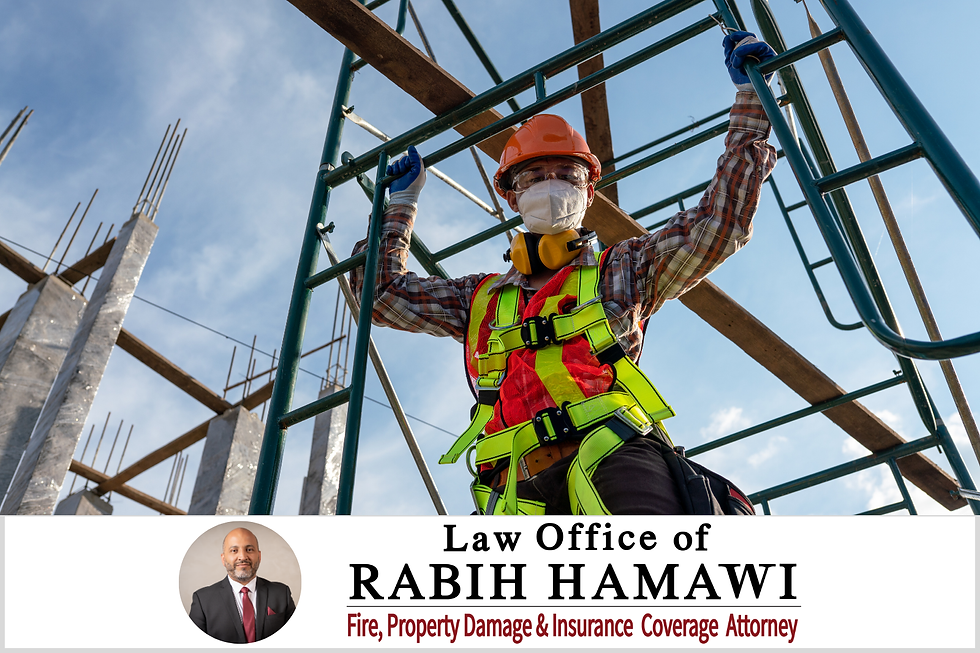
Scaffolding is essential on construction and renovation projects, but when something goes wrong, the consequences can be devastating. Fires, collapses, and structural failures involving scaffolding often lead to serious injuries, major property damage, and complex insurance disputes.
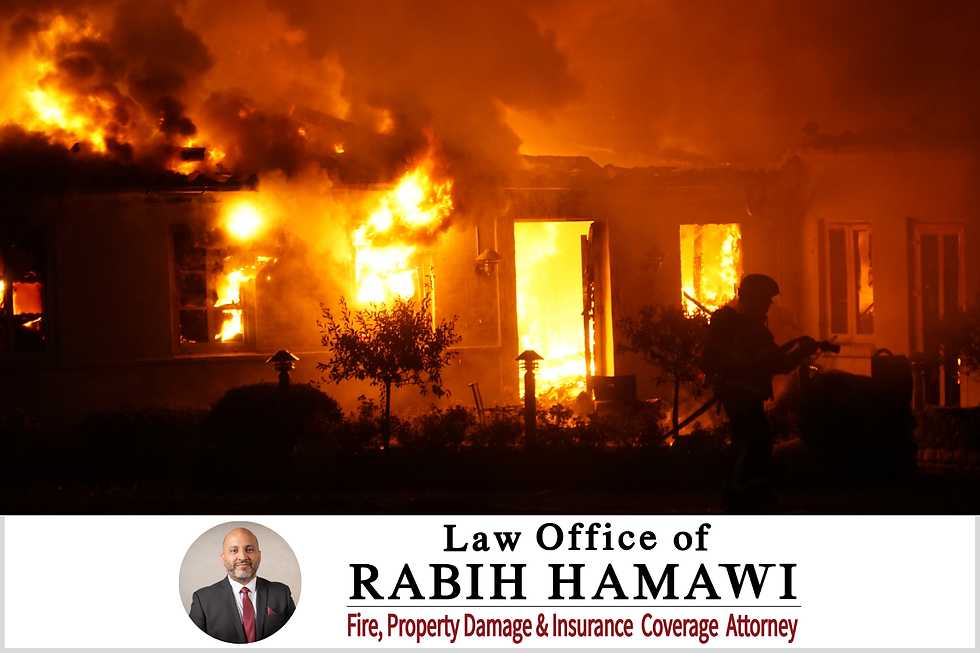
A recent large-scale construction fire in Denver—where more than 100 firefighters battled a multi-alarm blaze at an apartment project—highlights how quickly a construction-related incident can escalate into a multimillion-dollar loss affecting property owners, contractors, neighboring businesses, and insureds.
For businessowners, property owners, and policyholders in Michigan and across the United States, understanding scaffolding insurance coverage is critical. The question is not just what happened, but who is insured, under which policy, and for what damages.
Why Scaffolding Insurance Coverage Matters?
Scaffolding incidents often involve multiple parties and layered insurance policies. When a loss occurs, insureds may dispute responsibility, deny coverage, or shift blame to other parties.
Scaffolding-related claims commonly arise from:
Fires at construction or renovation sites
Structural collapse or instability
Falling tools, debris, or materials
Damage to adjacent buildings or vehicles
Injuries to workers, pedestrians, or residents
In dense areas like Detroit, Chicago, or surrounding Midwest cities, a single scaffolding incident can affect an entire block—leading to evacuations, business interruption, and regulatory investigations.
Common Insurance Policies Implicated in Scaffolding Losses
Understanding which insurance policies may apply is the first step toward protecting your interests.
1. Commercial General Liability (CGL)
CGL policies often serve as the primary coverage for bodily injury and property damage caused by scaffolding accidents. But coverage disputes frequently arise over:
Whether the damage resulted from ongoing operations or completed work
Policy exclusions related to construction defects or fire
Additional insured status for property owners or developers
2. Builder’s Risk Insurance
Builder’s risk policies may cover damage to the structure under construction, including losses caused by fire. insureds may still deny claims by arguing:
Improper installation or maintenance of scaffolding
Violations of safety codes or project specifications
Excluded causes of loss
3. Professional Liability / Errors and Omissions (E&O)
When scaffolding design, supervision, or inspection is involved, claims may extend to engineers, architects, or project managers. These cases often hinge on whether professional judgment or a construction defect caused the loss.
4. Excess and Umbrella Policies
Large losses frequently exceed primary policy limits. Excess and umbrella insureds may resist paying, leading to high-stakes litigation over policy language and trigger of coverage.
Key Coverage Disputes After a Scaffolding Incident
Scaffolding claims often raise complex legal questions, including:
Who qualifies as an insured or additional insured?
Was the fire or collapse accidental or tied to an excluded peril?
Do multiple insureds owe defense and indemnity?
Can insureds shift responsibility through subrogation or contribution claims?
In large-scale fires like the Denver construction blaze, disputes often expand to include neighboring property owners, municipalities, and utility providers—each with separate insurance interests.
Practical Steps After a Scaffolding-Related Loss
If you are a property owner, contractor, or business affected by a scaffolding incident, early action is critical.
Immediate steps to protect your claim include:
Preserve contracts, insurance policies, and certificates of insurance
Document damage with photos, videos, and expert reports
Notify all potentially applicable insureds promptly
Avoid recorded statements without legal guidance
Consult counsel experienced in insurance coverage litigation
If your insurance company has denied, delayed, or underpaid your insurance claim, contact Law Office of Rabih Hamawi for a case evaluation at (248) 905-1133 or www.hamawilaw.com.
Who is Rabih Hamawi?

Attorney & Counselor
Rabih Hamawi is a principal at the Law Office of Rabih Hamawi, P.C. and focuses his practice on representing policyholders in fire, property damage, and insurance-coverage disputes against insurance companies and in errors-and-omissions cases against insurance agents. He may be reached at (248) 905-1133.